
As the warmer months approach in Delaware, many homeowners look for practical ways to reduce energy consumption while keeping their homes comfortable. While insulation, equipment upgrades, and regular HVAC maintenance certainly play pivotal roles, thermostat placement is often overlooked. By understanding best practices for thermostat location, recognizing the warning signs when placement is not ideal, and considering professional guidance, you can optimize your seasonal energy use and get more from your heating and cooling system.
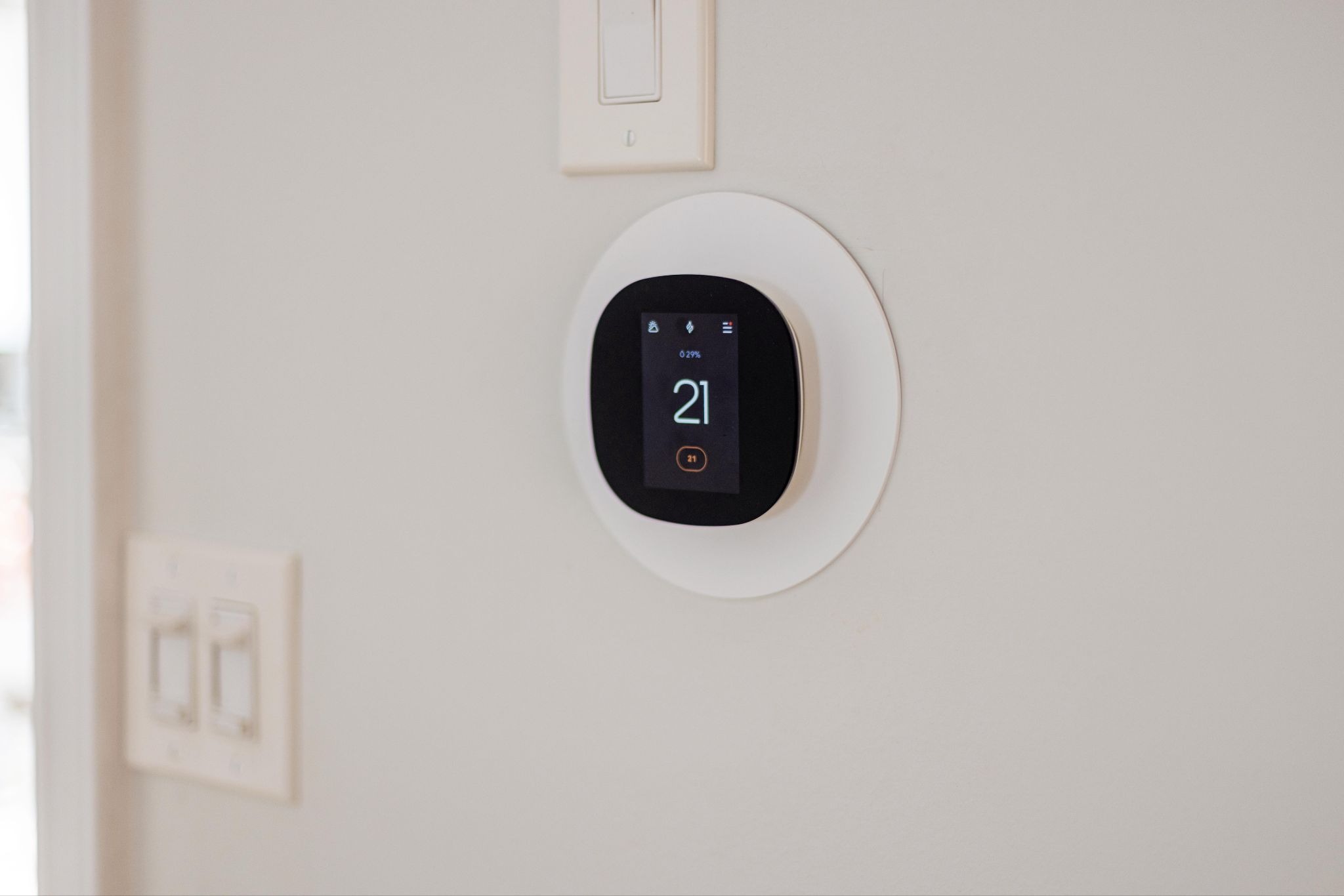
Why Thermostat Placement Matters for Energy Efficiency
Your thermostat acts as the primary control for your heating and cooling system. Placing it in the wrong location can cause unnecessary system cycling or leave parts of your home uncomfortable. For example, if your thermostat is installed in direct sunlight, near an exterior door, or above a warm appliance, it can misread your indoor temperature. This leads to excessive running time, higher energy costs, and even premature system wear.
Proper placement, typically in a central area away from drafts, direct sunlight, stairwells, and appliances, allows your thermostat to accurately monitor your home’s average temperature. This accuracy ensures your system operates only when needed, supporting both energy savings and indoor comfort.
Common Warning Signs of Poor Thermostat Placement
Sometimes, it isn’t obvious that a thermostat’s location is affecting your energy bills or comfort. Look for these warning signs:
-
Significant temperature differences between rooms
-
System cycles on and off more frequently than normal
-
Frequent need to adjust thermostat settings to maintain comfort
-
Utility bills that seem unusually high for the season
-
Certain areas always feel too hot or too cold
If you notice these symptoms, it may be time to evaluate your thermostat’s position, and whether your system is working as efficiently as possible.
Planning Considerations for Optimal Thermostat Location
When choosing the ideal spot for your thermostat, keep these planning tips in mind:
-
Select an interior wall in a room that is commonly used, such as a living room or main hallway.
-
Avoid walls adjacent to bathrooms, kitchens, or laundry areas, which may have inconsistent temperatures.
-
Place the thermostat at a height of about five feet above the floor for optimal reading.
-
Do not install the thermostat near supply vents, windows, or exterior doors.
Taking these precautions from the start helps your thermostat provide an accurate reading, supporting consistent climate control without unnecessary energy waste.
When to Consult a Professional Heating and Cooling Service
Determining the right location for your thermostat is not always straightforward. Electrical wiring, wall construction, and system design can all influence what’s possible. That’s why it’s wise to partner with experienced professionals who are familiar with Delaware’s climate and homes. A certified technician can assess your current system, recommend cost-effective solutions, and, if needed, relocate your thermostat or suggest a thermostat upgrade. Ask about integrated smart thermostats that offer better energy management, remote access, and data-driven insights into your energy use.
Before moving forward, consider these questions:
-
Will relocating the thermostat require extensive rewiring or repairs?
-
Are there opportunities to pair relocation with other home energy efficiency upgrades?
-
What kind of thermostats (standard vs. smart) best fit your system and lifestyle needs?
-
How will the new location impact daily usability and comfort?
Contact Stan Perkoski’s Home Services for Personalized Guidance
If you’re noticing uneven temperatures or higher seasonal bills, Stan Perkoski’s Home Services in Wilmington, DE, is ready to help. Our experienced team can evaluate your system, recommend the ideal thermostat placement, and handle the upgrade or relocation efficiently. Give us a call at (302) 529-1220 or fill out our online form to get started and enjoy year-round comfort and energy savings.


